
green tempered glass
Understanding the Taper Gauge A Comprehensive Overview In the world of precision engineering and manufacturing, the taper gauge is an essential tool that plays a critical role in ensuring the accuracy and reliability of various components. Specifically, the taper gauge with a size of 1 to 15 mm (often referred to simply as a taper gauge 1 15 mm) serves specific applications due to its unique design and capabilities. In this article, we will explore the significance, functionality, and applications of the taper gauge, providing a detailed overview to enhance your understanding. What is a Taper Gauge? A taper gauge is a measuring instrument designed to determine the taper or angle of an object. It typically consists of a graduated blade that is tapered at one end and flat at the other. The gauge is used to measure the size of holes, the alignment of surfaces, and the dimensions of various tapered fittings. The versatility of the taper gauge allows it to be used in a variety of fields, including manufacturing, construction, and maintenance. By providing precise measurements, it ensures that parts fit correctly and that the dynamics of mechanical systems operate smoothly. Design and Features of a Taper Gauge 1 15 mm The taper gauge 1 15 mm is characterized by its range of measurement from 1 millimeter to 15 millimeters. This range makes it particularly useful for applications where flexibility and precision are required. Its tapered design allows it to easily enter holes or gaps of varying sizes, enabling technicians to assess the diameter and alignment of drilled holes, pipes, and other cylindrical features. Typically made from durable materials such as stainless steel, taper gauges are designed to withstand wear and tear, ensuring longevity and consistent performance. Many taper gauges come with clear, easy-to-read markings, allowing users to take measurements quickly and accurately. Applications of Taper Gauges taper gauge 1 15mm 1. Manufacturing In manufacturing, taper gauges are invaluable for quality control. They are used to verify the accuracy of machined parts, ensuring that the dimensions meet specified tolerances. Any deviation can be identified and corrected early in the production process, reducing waste and improving overall quality. 2. Plumbing and Pipefitting Taper gauges are often used by plumbers and pipefitters to measure the size of pipes and fittings. This ensures that connections are tight and secure, preventing leaks and ensuring the integrity of the plumbing system. 3. Automotive Industry In the automotive sector, taper gauges are used to measure wheel bearings, axles, and other critical components. Accurate measurements are essential for ensuring the safety and performance of vehicles on the road. 4. Construction Contractors and builders use taper gauges to check the alignment and dimensions of structural components. This ensures that everything fits together correctly, maintaining the integrity of the building structure. 5. Machining and Fabrication In machine shops, taper gauges are employed for checking the dimensions of holes that will receive tapered pins or shafts. This ensures proper fit and function, which is crucial for mechanical assemblies. Conclusion The taper gauge 1 15 mm is a vital tool in various industries, providing precision measurements that contribute to the overall quality and efficiency of manufacturing, construction, and maintenance tasks. Its versatility, ease of use, and accuracy make it an indispensable asset for professionals in numerous fields. As technology advances and industries evolve, the importance of precise measurement tools, like the taper gauge, continues to grow. By understanding the functionalities and applications of the taper gauge, professionals can enhance their skills and ensure the reliability and safety of their projects. Whether you're a seasoned technician or someone new to the trade, familiarizing yourself with taper gauges will undoubtedly enhance your understanding of precision engineering and contribute to your success in various applications.
about
green tempered glass
Understanding Standard Bore Gauges A Comprehensive Overview Standard bore gauges are essential precision instruments used to measure the internal diameters of cylindrical parts, such as pipes, holes, or bores. These instruments play a crucial role in various manufacturing and engineering processes, ensuring that parts meet specified tolerances and quality standards. This article delves into the definition, types, applications, and maintenance of standard bore gauges, providing an informative guide for professionals in the field. What is a Standard Bore Gauge? A standard bore gauge is a measuring device designed to check the internal diameter of a bore with utmost accuracy. It generally consists of a cylindrical body fitted with measuring heads that expand or contract to match the bore's internal dimensions. The measurements can be read directly from a scale or digital readout, depending on the gauge's design. These gauges are widely used in industries that require precision engineering, such as automotive, aerospace, and manufacturing. Types of Standard Bore Gauges There are several types of standard bore gauges, each suited to specific applications 1. Mechanical Bore Gauges These traditional gauges use a mechanical dial indicator. When inserted into a bore, the gauge's measuring heads extend to touch the bore's walls, and the dial gives a reading of the internal diameter. 2. Digital Bore Gauges Featuring digital displays, these gauges provide more straightforward readings and often include features like data storage and connectivity to computers for further analysis. They enhance precision and are easier to use than their mechanical counterparts. 3. Telescoping Gauges Often used in conjunction with micrometers, telescoping gauges capture the internal dimensions by expanding within the bore. They are then measured externally, providing accurate readings of complex shapes. 4. Variations and Specialty Gauges Some bore gauges are designed for specific applications, such as measuring tapered or irregular bores. These specialized tools cater to unique requirements in manufacturing processes. Applications of Standard Bore Gauges Standard bore gauges find their applications in various fields standard bore gauge - Automotive Industry They are used to check the internal diameters of engine cylinders, ensuring that they meet the correct specifications for performance. - Aerospace Precision measurements of aerospace components are crucial for safety and efficiency, making bore gauges essential in this sector. - Manufacturing Many manufactured parts, from valve guides to bearings, require internal diameter measurements to maintain quality control throughout the production process. - Quality Assurance Standard bore gauges are critical tools in quality assurance departments, helping to verify that products conform to regulatory standards and specifications. Maintenance and Calibration To ensure accuracy, regular maintenance and calibration of bore gauges are essential. This includes - Regular Cleaning Debris can affect measurement accuracy. User should regularly clean the gauge with appropriate cleaning solutions. - Calibration Bore gauges must be calibrated periodically using standard reference sizes to ensure they provide accurate measurements. - Proper Storage To prevent damage, gauges should be stored in protective cases and kept in stable environmental conditions. Conclusion Standard bore gauges are indispensable tools in industries that demand high precision and quality control. By understanding their types, applications, and maintenance procedures, professionals can effectively leverage these instruments in their work. As manufacturing processes evolve and the demand for precision increases, bore gauges will undoubtedly continue to play a vital role in ensuring the integrity and functionality of engineered products. In an era of rapid technological advancement, investing in high-quality bore gauges and familiarizing oneself with their operation and maintenance is essential for success in any precision engineering field.
-

High quality industrial productsagement

High quality industrial products
View Details -

Meet the diverse needs of customers

Meet the diverse needs of customers
View Details -

Strict quality control

Strict quality control
View Details -

Top raw materials

Top raw materials
View Details -

Trusted supplier

Trusted supplier
View Details
Our application



news and information

y shaped strainer
The Y-shaped strainer, a relatively lesser-known but essential component in various industries, play

Versatile Metal Ruler for Precise Right Angle Measurements in DIY Projects
The Right Angle Metal Ruler A Crucial Tool for Precision and Accuracy In the realm of measurement an
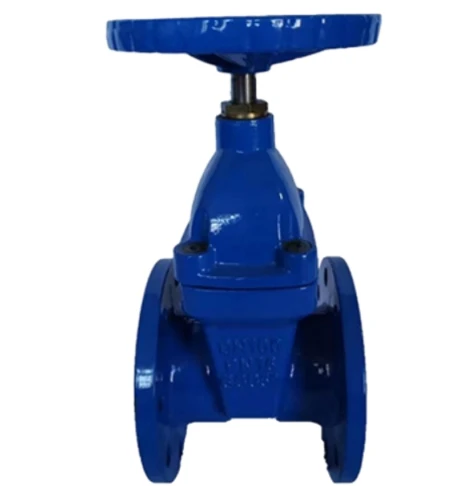
where is the water shut off valve
Where is the Water Shut-Off Valve? Understanding the location and function of the water shut-off val
 English